quick contact
Get in touch

One of the most common misconceptions about buying a home is that you must put 20 percent down. While a larger down payment can reduce your loan amount and monthly payment, many mortgage programs allow buyers to purchase a home with significantly less money upfront.
Understanding how down payments work and the options available can help buyers plan for homeownership and explore loan programs that match their financial situation.
A down payment is the portion of the home’s purchase price that you pay upfront when buying a property. The remaining amount is financed through a mortgage loan.
For example, if you purchase a home for $400,000 and make a 5 percent down payment, you would contribute $20,000 and finance the remaining balance through your mortgage.
The size of your down payment affects the loan amount, monthly payment, and sometimes the interest rate offered by the lender.
Several mortgage programs offer different down payment requirements depending on the loan type and borrower qualifications.
Conventional loans are one of the most widely used mortgage options.
Many conventional loan programs allow buyers to purchase a home with down payments starting as low as 3 percent to 5 percent. However, buyers who put down less than 20 percent typically pay private mortgage insurance, commonly referred to as PMI.
PMI protects the lender if the borrower defaults on the loan and can often be removed once sufficient home equity is reached.
FHA loans are designed to make homeownership more accessible for buyers with lower down payments or less established credit.
The minimum down payment for most FHA loans is 3.5 percent of the purchase price for borrowers who meet credit requirements.
FHA loans also include mortgage insurance, which is typically required for the life of the loan unless the loan is refinanced into another program later.
VA loans are available to eligible veterans, active-duty service members, and certain surviving spouses.
One of the key benefits of a VA loan is that it allows qualified borrowers to purchase a home with no down payment.
Because these loans are backed by the Department of Veterans Affairs, lenders are able to offer competitive interest rates and flexible qualification guidelines.
USDA loans are designed for buyers purchasing homes in eligible rural areas.
Like VA loans, USDA loans allow qualified borrowers to finance 100 percent of the home’s purchase price without requiring a down payment.
These loans are intended to support homeownership in rural communities and are available to buyers who meet income and location eligibility requirements.
Your down payment plays a role in several aspects of your mortgage.
A larger down payment reduces the loan amount you need to borrow, which may lower your monthly payment.
It can also improve your loan-to-value ratio, which lenders consider when determining loan approval and interest rates.
In some cases, a larger down payment may also allow borrowers to avoid mortgage insurance.
However, putting more money down is not always necessary to purchase a home, especially when other loan programs provide flexible options.
In many cases, buyers are allowed to use gift funds or assistance programs to help cover their down payment.
Gift funds are commonly provided by family members and must be properly documented according to loan guidelines.
Many buyers also qualify for down payment assistance programs offered by local or state housing agencies.
These programs may provide grants or second loans designed to help buyers overcome the upfront costs associated with purchasing a home.
While the down payment is an important part of purchasing a home, buyers should also plan for other upfront costs involved in the transaction.
These costs may include closing costs, prepaid taxes, homeowners insurance, and other expenses associated with the home purchase.
Understanding the full financial picture helps ensure buyers are prepared for the overall cost of homeownership.
Understanding your down payment options can help you move forward with confidence when planning to purchase a home.
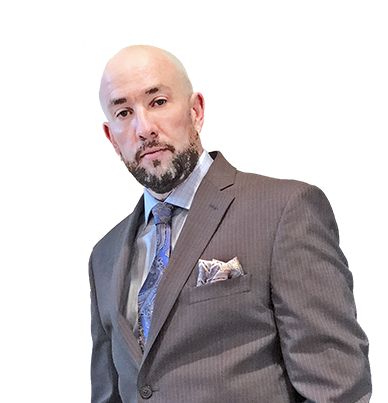
Rob Sandlin, Rob the Mortgage Coach, brings more than 30 years of experience helping buyers evaluate mortgage programs, down payment strategies, and home financing options.
If you are preparing to buy a home and want to understand the loan programs available to you, starting the conversation early can help you build a smart mortgage plan.